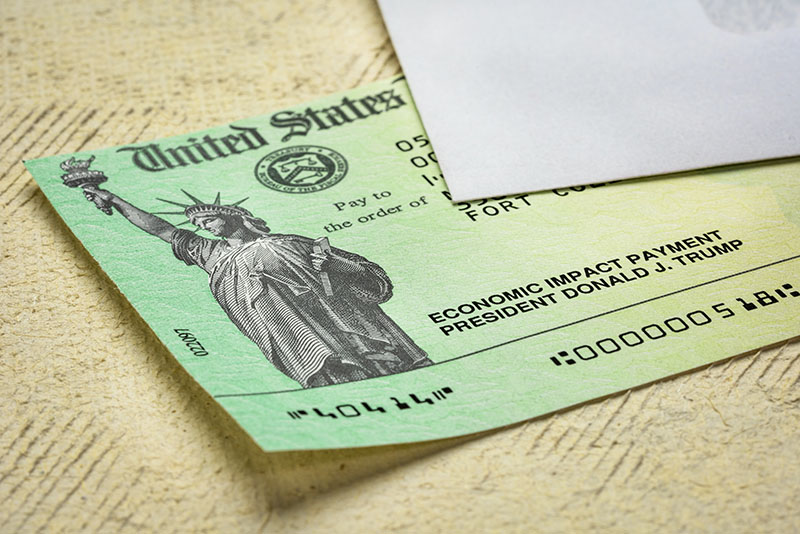
The IRS is expected to send out a $1,390 stimulus check in 2025 as part of ongoing efforts to help Americans deal with rising living costs. This payment is a continuation of previous economic relief measures and is aimed at financially vulnerable people, especially low- and middle-income families.
The stimulus check is meant to ease the pressure caused by inflation, covering things like groceries, rent, transportation, and utilities. This is a one-time payment, not a monthly or recurring benefit. It’s part of a larger federal effort to support people who are still recovering from the financial impacts of the pandemic and ongoing cost-of-living issues.
Is the Stimulus Check Taxable?
No, the $1,390 payment is not taxable. You won’t have to report it as income on your 2025 tax return. It won’t count against your eligibility for programs like Medicaid, food stamps (SNAP), or housing assistance either. The IRS has confirmed that this is a tax-free financial benefit, meaning it’s treated like past stimulus checks issued during the pandemic.
That’s important because some people were worried it might raise their taxable income or affect the benefits they rely on. But the IRS has clarified that this payment is considered a rebate credit—it’s essentially a refund from the government, not regular earnings.
Who Is Eligible to Receive It?
You may qualify for the $1,390 check if you fall into one of several income or benefit categories:
- Single filers earning up to $75,000 per year
- Married couples filing jointly with a combined income up to $150,000
- Heads of household earning up to $112,500
- People receiving Social Security benefits (SSI or SSDI)
- Veterans and recipients of Railroad Retirement benefits
If you have dependent children or other dependents, you may be eligible for an additional amount, although details on those payments haven’t been fully confirmed yet.
People who earn above the income thresholds may receive a reduced payment, depending on how far above the limit their income is. If your income is significantly over the cutoff, you likely won’t qualify at all.
How to Get the Payment—Do You Need to Apply?
Most people won’t need to apply. If you filed a tax return for 2023 or 2024, or if you already receive federal benefits (like Social Security or VA benefits), the IRS will send your check automatically based on the information they already have.
However, if you:
- Didn’t file taxes recently and
- Don’t receive federal benefits.
Then you may need to submit your information to the IRS using their Non-Filer Tool (an online form for people who aren’t required to file taxes but still qualify for payments).
If your banking information has changed since your last filing, you should update your records with the IRS to avoid delays.
When Will the Stimulus Check Arrive?
The checks are expected to go out in mid-to-late 2025. Based on earlier payments, the timeline will likely look something like this:
Direct deposit will be the fastest method—usually hitting bank accounts first
Paper checks will be mailed to those without direct deposit info on file
Prepaid debit cards (EIP Cards) may be used in some cases, especially for people who had trouble receiving past checks
The IRS has not given an exact date yet, but payments could start in the summer or early fall of 2025. That said, it may take a few months for everyone to receive theirs, especially those getting paper checks.