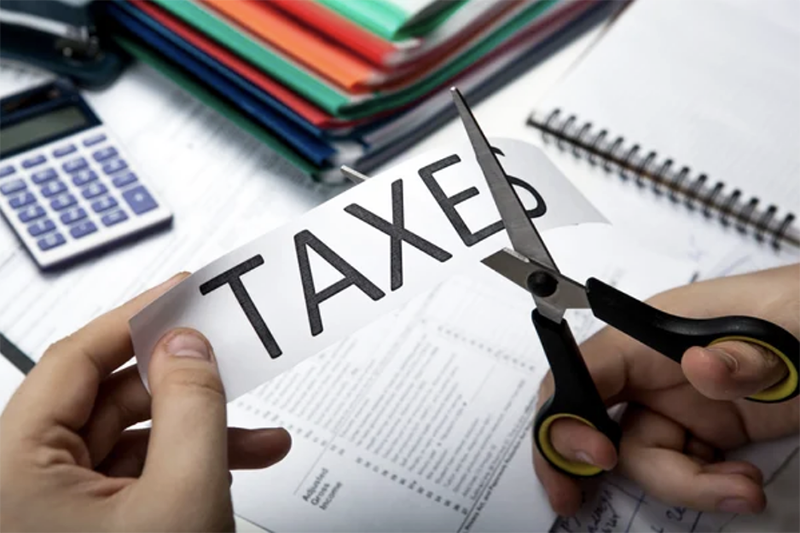
The new federal rule that removes income taxes on tips sounds like a big win for service workers. It’s meant to let restaurant servers, bartenders, hotel staff, delivery drivers, and other tipped workers keep more of what they earn. On paper, it looks simple: workers who make less than $150,000 a year (or $300,000 for married couples) can deduct up to $25,000 in tips from their taxable income.
But the change is not as straightforward as it sounds. Many Californians who earn tips might not actually see much benefit, and for some, it could even make things more confusing when tax season comes around.
The Benefit Only Applies to Those Who Owe Taxes
One of the biggest issues is that this rule only helps people who already pay federal income tax. Many low-income workers in the service industry don’t make enough to owe federal taxes in the first place. For them, this new deduction offers nothing.
That means the main group who benefits will be middle-income workers—those who already have taxable income and can claim deductions. For the many workers living paycheck to paycheck, the idea of a “tax break” won’t make a difference if there’s no tax to begin with.
It Could Make Taxes More Complicated
Some tax experts have called the new policy unnecessary and confusing. That’s because it adds another layer to an already complicated tax system. Workers would now have to keep detailed records of their tip income, determine which tips qualify, and make sure they’re reported correctly.
Employers could also respond in ways that reduce the benefit. For example, restaurants might lower hourly wages, knowing that workers will save money on taxes. And since the rule only applies to tips that are voluntarily given—not automatic service charges—there’s more room for error and confusion.
Not Every Tip Will Count
This new deduction only applies to voluntary tips—those added by the customer directly. Mandatory service fees, delivery surcharges, and automatic gratuities don’t count. That means a worker could be earning tips every day but still not qualify for the deduction on part of them.
Different jobs rely on tips to very different degrees. For bartenders, tips can make up more than a quarter of their total pay. For restaurant servers, it might be around 15–20%. But for fast-food workers or those who rely on delivery apps, tips can be much lower. That difference will affect how much the new rule helps, if at all.
Gig Workers Face Mixed Results
Rideshare and food delivery drivers might seem like big winners here, but the reality is mixed. Some gig workers don’t get many tips at all, and those who do often face higher self-employment taxes that could cancel out the savings.
Gig workers are also responsible for tracking their own income and paying taxes quarterly. Adding a new tip-related deduction only complicates things further. A driver who earns $20,000 a year in tips might technically qualify for a deduction, but after accounting for self-employment tax, mileage deductions, and fluctuating income, the real benefit could be very small.
Fairness and the Bigger Picture
Even for those who do benefit, the new rule raises fairness questions. Two married servers, for example, only get the same $25,000 deduction as one single worker. People who work non-tipped jobs but earn similar incomes don’t get any similar break.
Meanwhile, the same federal package that introduced the “no tax on tips” rule also included cuts to food assistance and health programs that support low-income families. Those cuts may outweigh whatever small tax benefit some tipped workers get.
Final Thoughts
The idea of not taxing tips may sound fair at first—it’s easy to agree that workers should keep what they earn. But when you look closer, this change does little for the people who need it most. Many won’t qualify, others will face added paperwork, and some could even end up worse off if wages are adjusted or benefits are cut elsewhere.
In the end, it’s less of a win for working people and more of a talking point that looks good on the surface. The reality for most Californians is that their paychecks—and their taxes—probably won’t change much at all.